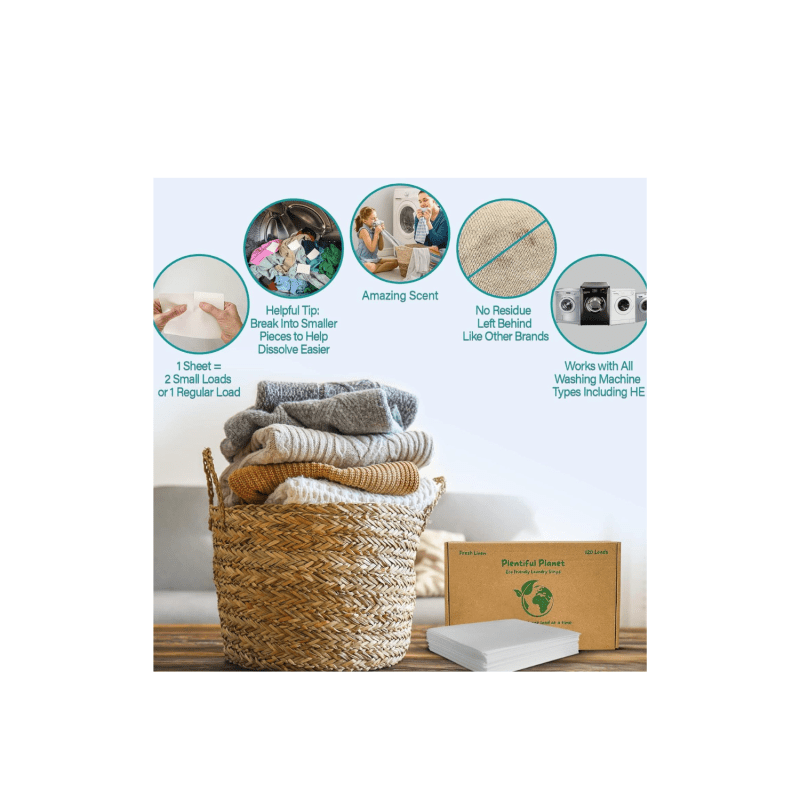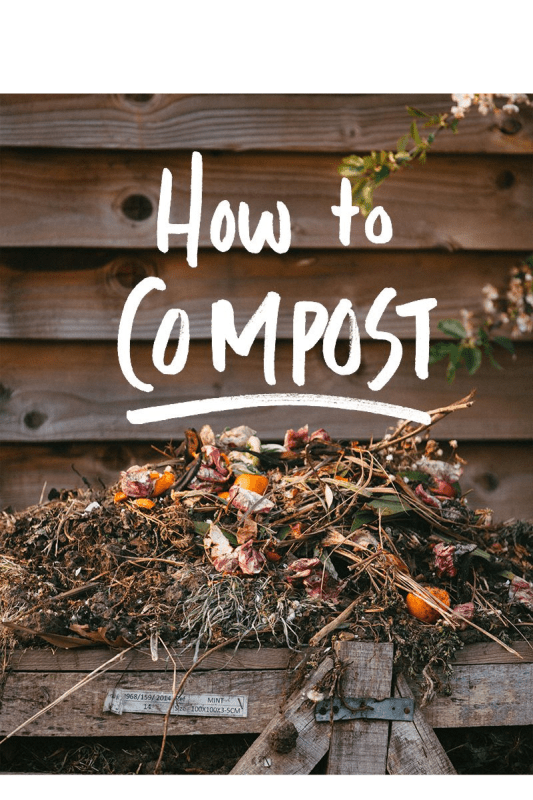
Switching to biodegradable products comes with a bunch of benefits that are super helpful for both you and the planet. First off, these products break down naturally, which means less waste ending up in landfills. When you use biodegradable items, you’re not just tossing them away – you’re contributing to a cleaner and healthier environment.
Another major plus is that biodegradable products often come from natural materials, like plant fibers or vegetable starches. This means they usually don’t contain all those synthetic chemicals that can harm our ecosystem. Choosing these products can help reduce pollution and lower your carbon footprint, making you feel pretty great about your everyday choices.
Using biodegradable options can also be beneficial for your health. Since they are made from natural elements, there's a lower chance of exposure to harmful substances. Think about products like biodegradable bags or utensils – they’re safe, reliable, and get the job done without any toxic side effects.
Economically, many biodegradable items are becoming more affordable and accessible. With increasing demand, manufacturers are stepping up to offer more options, meaning you can find eco-friendly alternatives that fit your budget. Whether it’s cleaning supplies or food containers, you’ll notice a good variety that's both wallet-friendly and planet-friendly.
How Biodegradable Products Help the Environment
Biodegradable products are like superheroes for our planet! They break down naturally over time, which means they don’t stick around for decades like traditional plastics do. When these products reach the end of their life cycle, they return to the Earth, nourishing the soil instead of harming it. This way, you’re not just using a product; you’re also supporting a cleaner, healthier environment.
When you choose biodegradable products, you’re playing an important role in reducing waste. Think about it: every time you opt for a biodegradable option, you’re minimizing pollution in oceans and landfills. Many of these products are made from natural materials, so when they decompose, they doesn’t release toxic chemicals. This leads to cleaner air and water, making our surroundings safer for plants, animals, and us!
Using biodegradable products also encourages a sustainable way of living. They often require less energy to produce compared to their plastic counterparts. This means fewer greenhouse gas emissions, which is a huge win for combatting climate change. By shifting towards biodegradable options, we can help reduce our carbon footprint and promote a more eco-friendly lifestyle.
Another cool benefit is that many biodegradable products come from renewable resources. This means we're not depleting Earth's natural resources when we use them. Instead, we’re supporting farms and businesses that prioritize environmental consciousness. By making smarter choices, we can foster a better economy that respects our planet.
Choosing the Right Biodegradable Options
When it comes to choosing biodegradable products, there are a few key things to keep in mind. First off, you want to look out for materials that break down naturally and won't linger in landfills for decades. Common biodegradable materials include things like paper, wood, and certain plant-based plastics. These options help reduce waste and are kinder to our planet.
Next, think about how you'll use these products. For example, if you're buying bags for shopping, consider options made from corn starch or other eco-friendly materials. They’re just as sturdy as regular plastic but much better for the environment. Also, look for certifications or labels that indicate a product is genuinely biodegradable. This can help you avoid those sneaky "greenwashed" items that don’t break down as easily.
Don’t forget about your everyday essentials! From toothbrushes made of bamboo to compostable plates for your next gathering, there are many fun and functional biodegradable options out there. They not only work well but also feel good to use since you’re making a positive impact on the planet.
Lastly, consider the lifecycle of the product. Opt for items that are responsibly sourced and can be composted at home or in a facility. This way, you’re not just tossing them in the trash; you’re ensuring they go back to the earth, enriching soil instead of contributing to pollution. Making small switches can lead to bigger changes, so every bit counts!
Simple Tips for Greener Living
Remember, every effort helps! These tips are just the beginning of your green journey. The goal isn't perfection—it's progress. Enjoy the process of trying new products and creating a healthier home for you and the planet.