Why You Should Use a Compost Bin: Turning Waste Into Gold
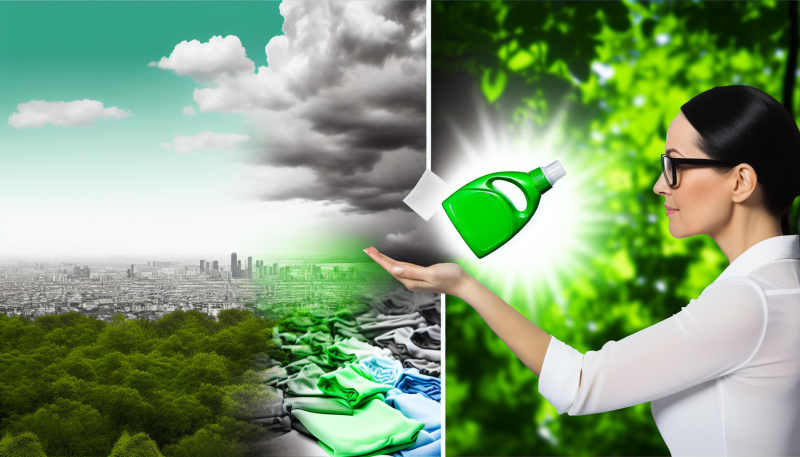
Every day, households throw away scraps of food, yard clippings, and paper products—most of which end up in landfills, creating methane gas and contributing to climate change. But there’s a simple, eco-friendly solution: composting. By using a compost bin, you can transform your kitchen and garden waste into rich, nutrient-filled soil. It's not just good for your garden—it's good for the planet.
Let’s explore the key reasons why you should start using a compost bin.
1. Reduces Household Waste
About 30–40% of the average household’s waste is organic and compostable—like fruit peels, vegetable scraps, eggshells, coffee grounds, and garden trimmings. Instead of sending this to the landfill, a compost bin gives it a new life.
-
Less trash means fewer garbage bags and fewer trips to the curb.
-
It helps reduce the strain on local waste management systems.
2. Cuts Down Methane Emissions from Landfills
Organic waste in landfills decomposes anaerobically (without oxygen), producing methane, a greenhouse gas that is 25 times more potent than carbon dioxide. Composting at home eliminates this process.
By using a compost bin, you help:
-
Reduce your carbon footprint
-
Fight climate change from your own backyard
3. Creates Rich, Natural Fertilizer
Compost is often called “black gold” for a reason. It’s packed with nutrients and microorganisms that improve soil health.
Benefits of compost for your garden:
-
Enhances soil structure and moisture retention
-
Feeds beneficial microbes that support healthy plants
-
Reduces the need for chemical fertilizers and pesticides
4. Saves You Money
Using compost can reduce the need for store-bought fertilizers, soil conditioners, and even water (thanks to better moisture retention). You’ll also:
-
Use fewer garbage bags
-
Spend less on garden products over time
Composting is a low-cost, high-return investment for anyone who gardens or landscapes.
5. Supports a Circular Lifestyle
When you compost, you're participating in nature’s recycling system. Instead of treating organic materials as waste, you're reintegrating them into the ecosystem.
-
Encourages mindful consumption
-
Builds environmental responsibility in households, especially for children
6. Improves Soil and Helps Grow Healthier Plants
Whether you're growing vegetables, flowers, or trees, compost:
-
Improves nutrient uptake
-
Balances pH naturally
-
Increases crop yields
-
Helps fight soil erosion
Healthy soil = healthy plants = healthy you.
7. Easy and Scalable
Composting can be as simple or as advanced as you want. Options include:
-
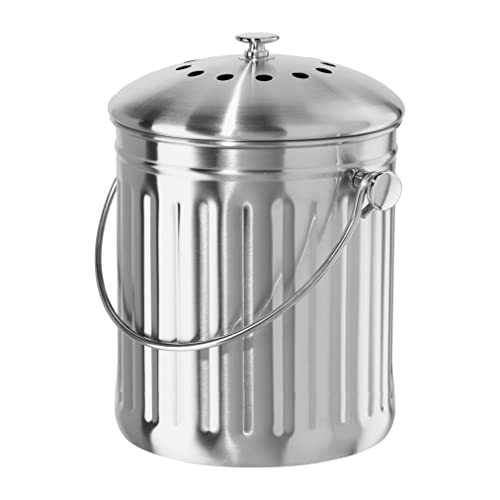
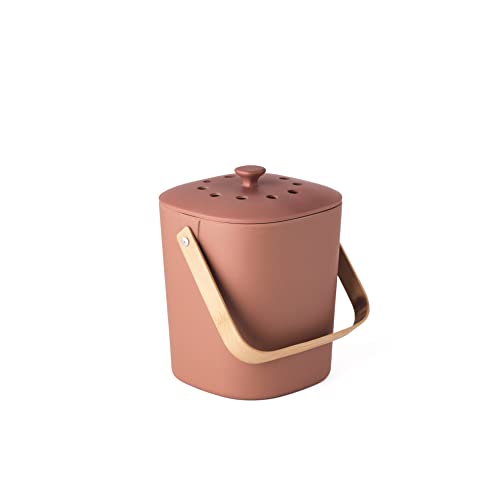
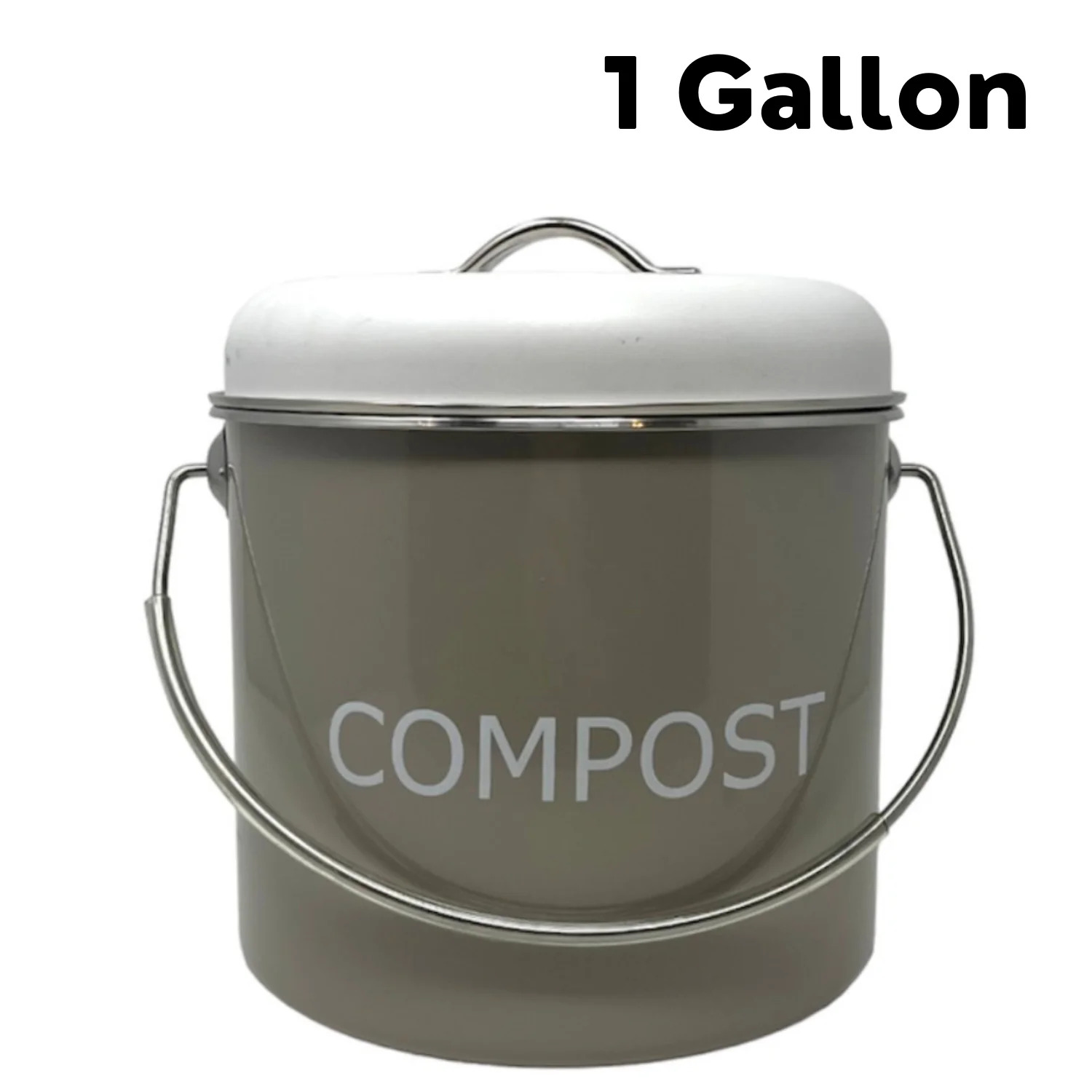
Countertop compost bins for food scraps
-
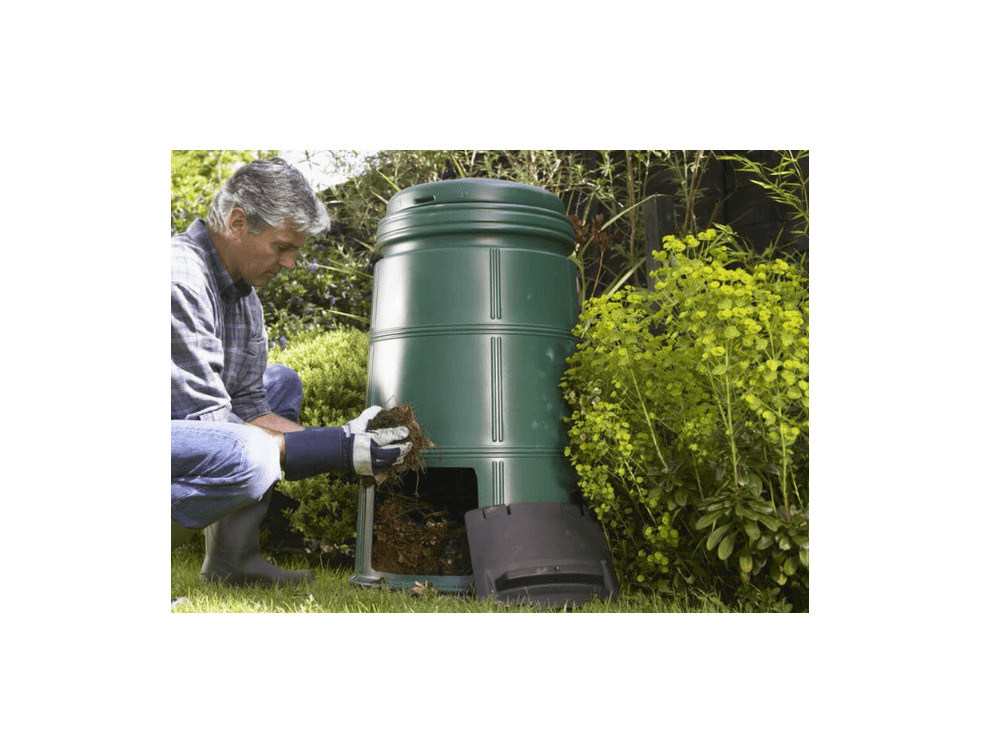
Backyard compost piles or tumblers
-
Worm bins (vermicomposting) for indoor use
-
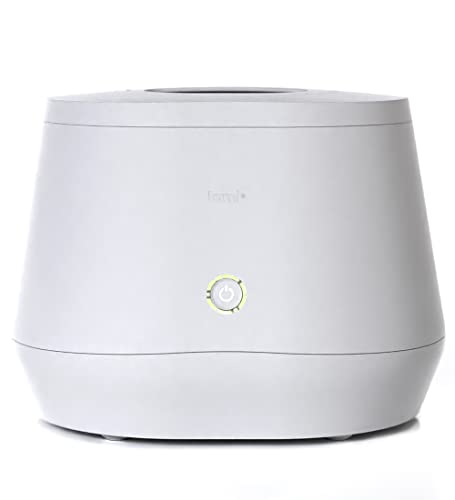
Electric composters for convenience in urban homes
No matter your space, there’s a compost bin solution for you.
8. Reduces Water Pollution
Compost-enriched soil retains water and reduces runoff. This means:
-
Less fertilizer and pesticide runoff into streams
-
Better stormwater management
-
Cleaner local water systems
Final Thoughts: A Small Bin, A Big Impact
Using a compost bin is one of the simplest and most impactful things you can do for the environment. It diverts waste, reduces emissions, feeds your garden, and saves money—all while empowering you to live more sustainably.
Whether you're a green thumb or a beginner, there's no wrong time to start. Composting isn’t just about waste—it’s about transformation.