When it comes to sustainable cooking, having the right tools can make a world of difference. Not only can they help you cook better meals, but they also minimize waste and make eco-friendly choices easier. Here are some must-have tools to keep in your kitchen for sustainable cooking.
Reusable Food Wraps: Forget about plastic wrap! Reusable food wraps, like those made from beeswax or vegan alternatives, are perfect for covering leftovers or wrapping sandwiches. They’re easy to clean, environmentally friendly, and will save you money in the long run.
Glass Storage Containers: Switch out plastic containers for glass ones. They’re great for storing your meals and prepping ingredients. Plus, glass doesn’t leach chemicals into your food and can be recycled when you’re done with them. Look for ones with airtight lids to keep everything fresh.
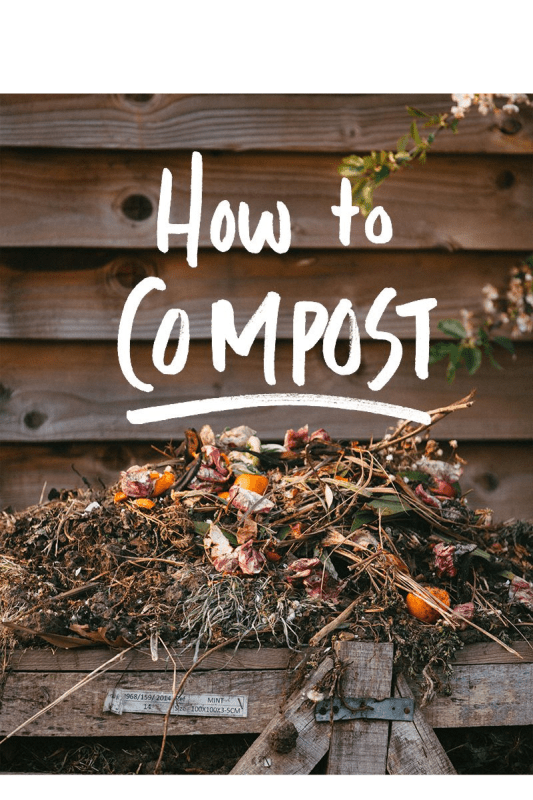
Compost Bin: Want to cut down on food waste? A compost bin is a game changer! It lets you turn scraps into nutrient-rich soil for your garden. You can start small with a countertop model, or go big with an outdoor compost pile. It’s a simple step that makes a big impact!
Eco-Friendly Cookware: Invest in good-quality cookware that lasts. Look for non-toxic materials like cast iron or stainless steel. They’re durable and often better for your health. Avoid Teflon or non-stick coatings that can wear off and pollute the environment.
Eco-Friendly Kitchen Storage Solutions
Revamping your kitchen storage is a great step towards making it more eco-friendly. There are plenty of options out there that are not only kind to the planet but also help keep your kitchen organized. Let’s dive into some storage solutions that are both practical and sustainable!
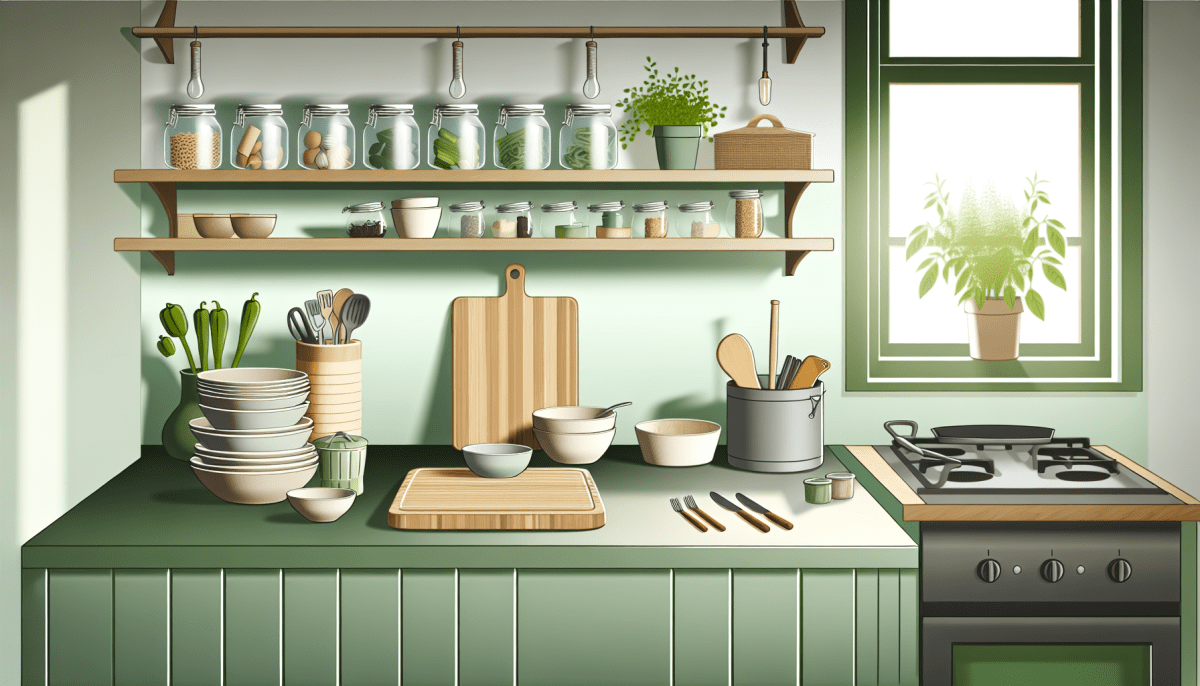
First up, consider using glass containers. They come in various sizes and shapes, perfect for everything from pasta to spices. Glass is not only reusable but also doesn’t leach any harmful chemicals into your food, unlike some plastic options. Plus, they look great on your shelves!
Another exciting option is compost bins. Keeping a small bin under your sink for scraps can encourage you to compost more often. Some models even come with charcoal filters to keep odors at bay. This not only reduces waste but enriches the soil if you choose to garden!
Lastly, don’t forget to repurpose glass jars! They’re fabulous for storing bulk items or as makeshift vases. Giving these jars a second life is a simple yet effective way to cut down on waste while keeping your kitchen nice and tidy.
Natural Cleaning Products You Need
If you're looking to keep your kitchen clean without harming the planet, natural cleaning products are a must-have. They’re effective, safer for your family, and environmentally friendly. Let’s dive into some essentials that you should definitely consider.
Making the switch to natural cleaning products doesn't have to be a hassle. Many brands offer convenient eco-friendly cleaners that come in refillable containers or recyclable packaging. Plus, you'll feel good knowing you’re doing your part for the environment while keeping your kitchen sparkling clean.
Zero Waste Tips for Meal Prep
When it comes to meal prep, going zero waste is not just good for the planet, but it can also be a huge time saver in the long run. Here are some simple tips to get you started on your journey towards a more eco-friendly kitchen.
First off, ditch the plastic bags and make the switch to reusable containers. Glass or stainless steel containers are perfect for storing leftovers and prepped ingredients. You can also use mason jars for portioning out snacks or ingredients. They not only look great but keep your food fresh without any pesky plastic waste.
Another great idea is to plan your meals around what’s in your fridge and pantry. Take stock of what you already have before hitting the grocery store. This helps reduce food waste and means you’ll be using up items before they spoil. Plus, planning meals can make your shopping trips quicker and more efficient!
Think about utilizing every part of your ingredients. For example, if you’re using greens, don’t throw out the stems—chop them up and throw them in a stir-fry or soup. Getting creative with kitchen scraps can lead to delicious discoveries while minimizing waste. Composing veggie scraps into a homemade vegetable broth is another tasty solution.
Finally, consider composting if you have the space. It’s a fantastic way to recycle your food waste and give back to the earth. Even if you don’t have a backyard, countertop composting bins are available and can be a game changer in reducing your kitchen waste.